
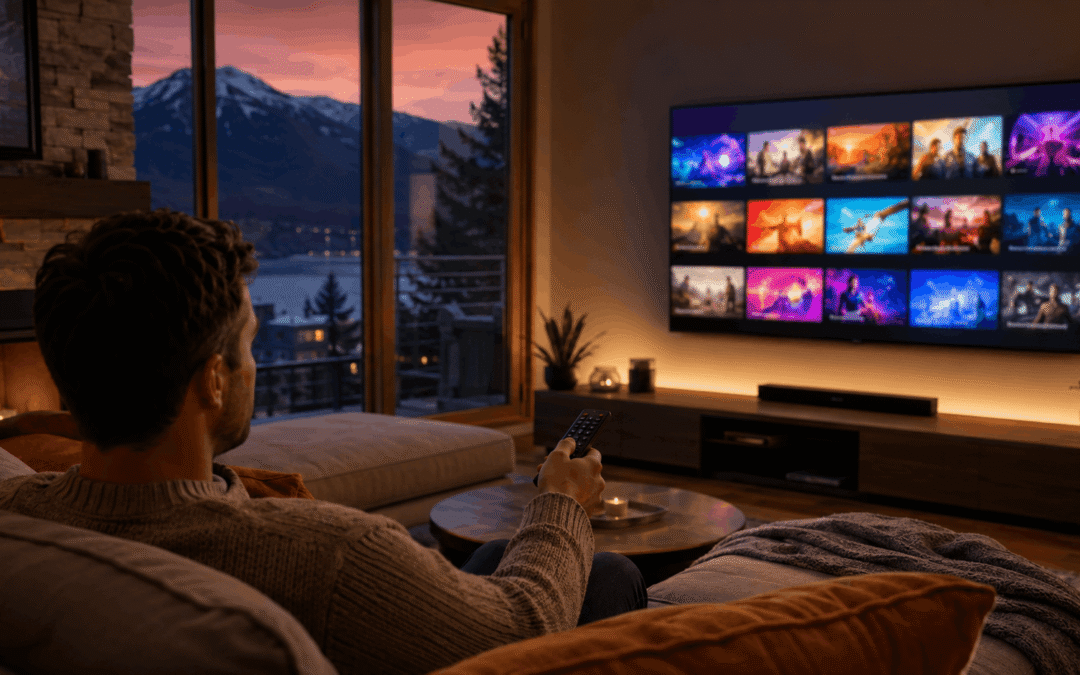
The way Canadians watch video has changed more in the last five years than in the previous twenty. Cable packages that once felt permanent are now optional, and a growing share of households have cancelled them entirely. For anyone who creates, produces, or distributes video, that shift isn’t just a consumer trend — it changes who you’re making content for and how it reaches them.
Here’s a clear-eyed look at how audiences watch in 2026, and why it matters well beyond the living room.
Cord-cutting went from fringe to default
A decade ago, cancelling cable was something tech-savvy early adopters did. Today it’s ordinary. Most households now lean on a stack of streaming services instead of a single cable bill, and many younger viewers have never paid for cable at all. The reasons are simple: streaming costs less, there’s no contract, and you watch what you want, when you want it, on whatever screen is closest.
What replaced the cable box isn’t one thing — it’s a patchwork. A typical Canadian home might run Netflix for series, a sports service for the games, YouTube for everything else, and a smart TV or streaming stick tying it together. The remote control got replaced by an app grid.
On-demand solved everything except live TV
For pre-recorded content, streaming won years ago. The harder problem was always live television — sports, news, and events where watching later defeats the purpose. That’s the single biggest reason people clung to cable the longest: they didn’t want to miss the game.
That gap is closing fast. Live content now moves over the internet as easily as on-demand does. Streaming services have picked up sports rights, broadcasters run their own apps, and internet-based TV has matured to the point where a stable connection delivers live channels in full HD and 4K. Among the options Canadians use to watch live channels without a cable subscription are internet-delivered TV platforms and Canadian IPTV services, which stream live television and sports over a standard home connection to almost any device.
The practical effect: the last real reason to keep cable — live TV — no longer requires cable at all.
Viewers now expect four things
Once you watch this shift closely, a clear set of expectations emerges. Modern audiences assume video will be:
On-demand by default
If something can be watched later, viewers expect it to be available later. Appointment viewing survives only for genuinely live moments.
Multi-device
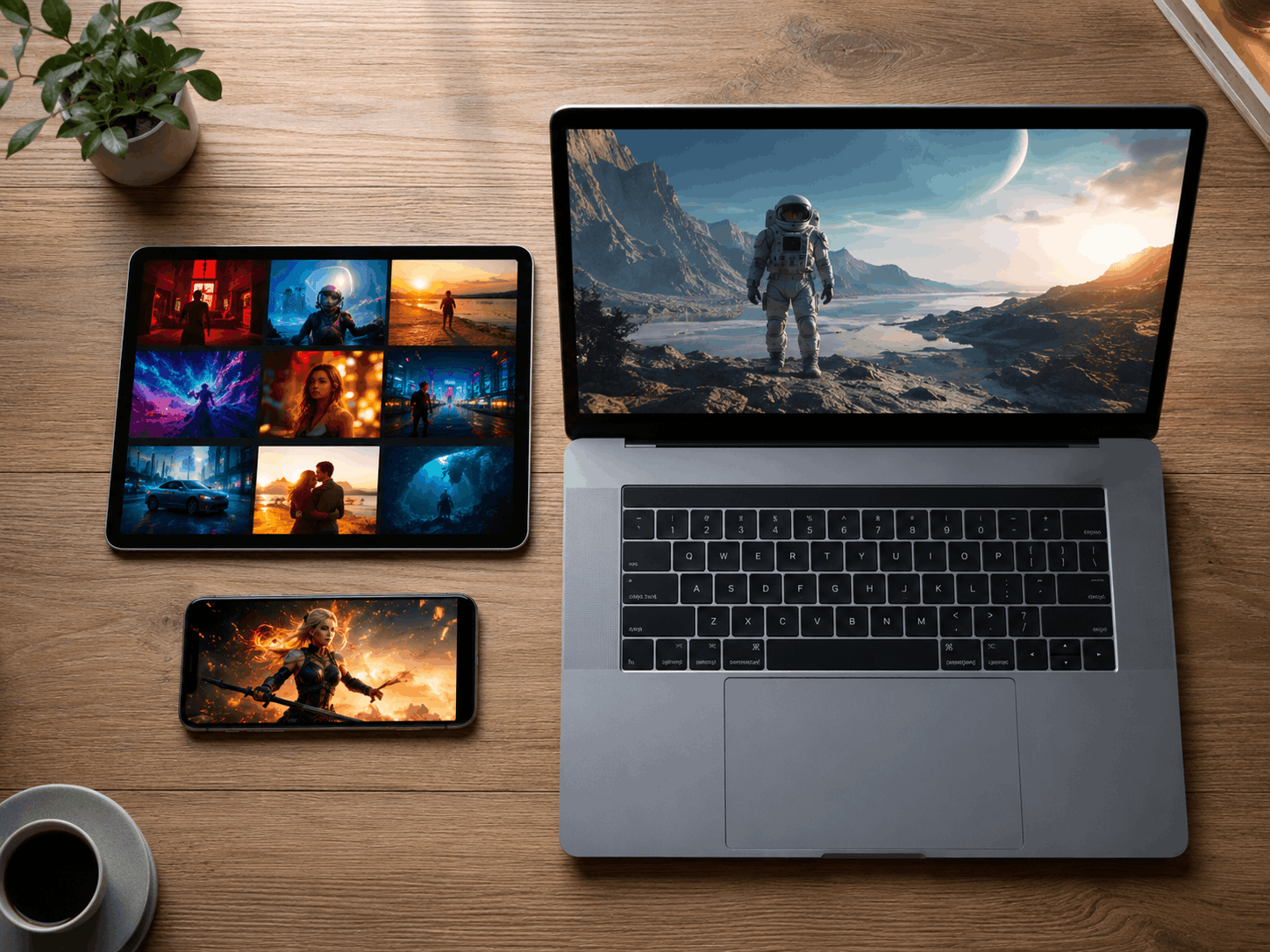
The same person moves from a phone on the commute to a laptop at lunch to a TV at night, and expects the experience to follow them.
High quality
4K and high-bitrate streaming are no longer premium novelties. Viewers notice compression, buffering, and soft picture immediately, and judge the source by it.
Frictionless
Two minutes of setup is tolerable. Anything more and people leave. The winning platforms are the ones that get out of the way.
What this means if you produce video
This is where the consumer shift becomes a production reality. If you make video — for a brand, a client, or your own channel — your audience is streaming-first, and that should shape the work.
Shoot and master for big, sharp screens, because more viewing happens on 55-inch 4K panels than people assume. But frame and pace for small ones too, since a large share of first views happen on phones. Design for sound-on and sound-off both, because autoplay feeds mean many viewers meet your video muted. And think about delivery, not just creation: where your video lives, how fast it loads, and whether it plays cleanly across devices now matters as much as the footage itself.
The companies adapting fastest treat distribution as part of the creative brief, not an afterthought bolted on at the end.
The shift is structural, not a phase
It’s tempting to frame cord-cutting as a trend that might reverse. It won’t. The underlying change is that video delivery moved from closed, single-purpose hardware to the open internet — and once that happens in any medium, it doesn’t go back. Music made the same move. So did photography. Television is simply finishing the journey.
For viewers, that means more choice and lower cost. For anyone making video, it means the audience is already living in a streaming-first world, and the work that connects best is the work built for how people actually watch now — on their terms, on their screens, on their schedule.
The cable box is fading. The opportunity to reach people through better, more flexible video has never been bigger.